

Life, sometimes, can turn into a daunting list of the many things that need to get done.
I need to do laundry.
We are almost out of food; we need to stop by the grocery store.
I have to reach out to this coworker to accomplish this task.
My car needs repairs.
I need to start buying Christmas gifts for my loved ones.
It can be easy to get lost in checking things off a list and lose sight of the bigger picture. For many people, much of our time is structured around staying busy—school, sports, work, and other responsibilities fill our days. What would happen if that routine or inner system were completely disrupted? Experiencing unfamiliar surroundings can encourage people to consider different perspectives. A gap year is a potential option that helps people step outside familiar routines and may create opportunities for personal growth.
What Is a Gap Year?
A gap year is traditionally a year-long break from formal education or work, often spent traveling or gaining new experiences. Nowadays, a gap year doesn’t necessarily have to last a full year, allowing participants to choose the program length that works best for them. Although gap years are commonly associated with recent graduates, they can appeal to people of all ages. The desire to step outside your comfort zone, explore other cultures, and develop new skills or interests can arise at any age. It is an opportunity to temporarily step away from “typical” expectations, depending on what those look like for each person at any stage of life.
Breaking Away From the Everyday Routine
Don’t get me wrong, a gap year will likely come with a list of questions, to-dos, and uncertainties. But the key difference is that they will be different.
Take something as ordinary as doing laundry.
At home, laundry could be part of that ongoing mental list of tasks that need to be completed. However, doing laundry in Cambodia could suddenly become exciting or even challenging, simply because of the unfamiliarity. Maybe the entire process is different and takes longer. Maybe there are cultural norms you are unaware of.
Eventually, as the unfamiliarity fades, you may develop new skills and a greater sense of independence, perhaps without even realizing it. This translates to placement responsibilities abroad as well. It is also what makes learning abroad so unique, because participants are essentially learning both the job and the place.
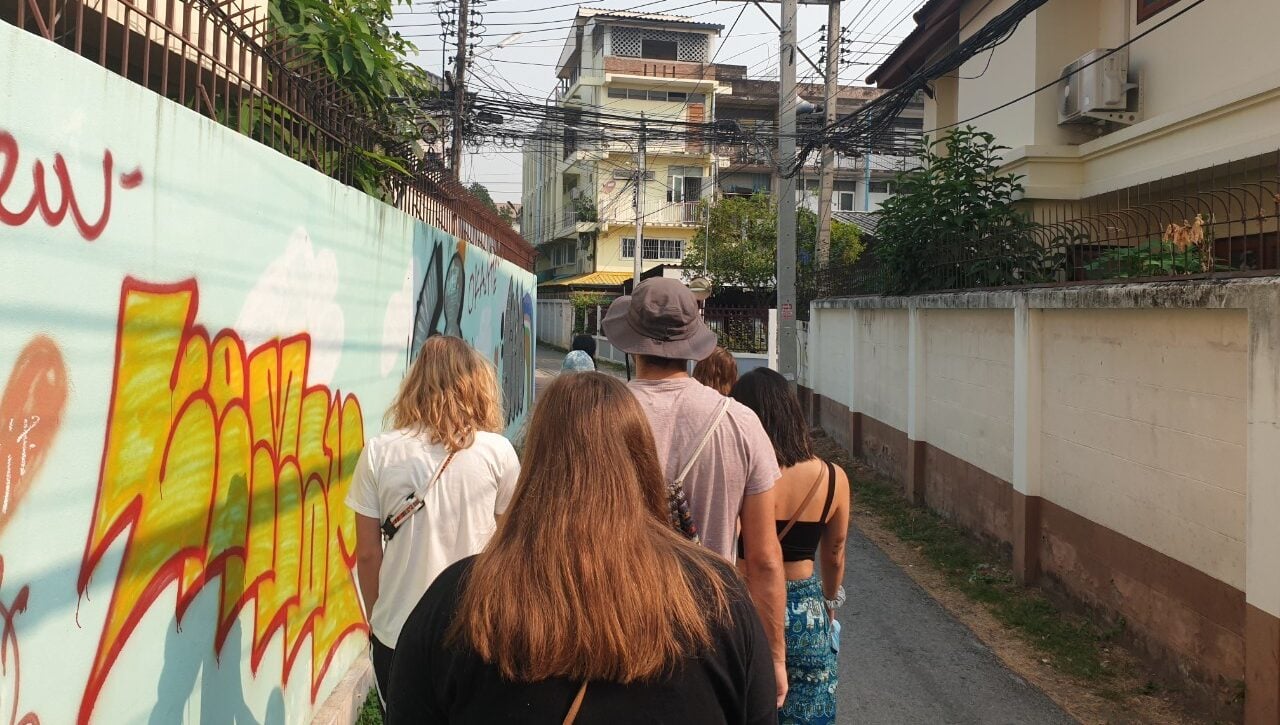
Moreover, what if we framed it as simply “learning how to learn”? In other words, you are navigating how to fit in, how to order food at a local restaurant, and how to be successful in a foreign workplace. These experiences require observation, patience, communication, and a willingness to make mistakes, making the experience about learning about yourself, too.
The Benefits of Taking a Gap Year
A gap year can offer opportunities for both personal and professional growth. Not only are you traveling and experiencing new things, but you are also learning about and observing the world around you. Additionally, the skills we previously discussed could be relevant to potential future employers, who could value these experiences, as they can demonstrate your ability to learn efficiently and adapt to different situations.
Rather than simply listing an international experience on a resume, make sure to describe how that experience influenced your approach to work and problem-solving. A lot of skills can translate to different responsibilities; it is all about how you frame them.
Some benefits might not even be realized until after you return, such as gaining new perspectives or a better understanding of yourself. While the outcomes of these experiences look different for everyone, you could return with stories you end up sharing with others.
How to Choose a Gap Year Experience
Choosing to spend time abroad is a significant decision, whether it’s for two weeks, a month, or an entire year. With so many options, figuring out where to begin can feel overwhelming. One approach is to sit down and make a list of your interests, goals, likes, and dislikes. Sometimes, seeing these things written down can make it easier to identify what kind of experience might fit you best.
Here are some examples of questions you could ask yourself to help choose a gap year experience:
What type of experience are you looking for?
1. Volunteering
2. Internship
3. Open to either
Where would you like to go?
1. Africa
2. Asia
3. Central or South America
4. Europe
5. Oceania
What are you most interested in?
1. Wildlife or marine conservation
2. Environment & sustainability
3. Medical & public health
4. Education & teaching
5. Community development
6. Business
7. Arts & media
What is the #1 thing you want to gain?
1. Professional experience
2. New skills
3. Personal growth
4. Cultural immersion
5. The opportunity to make a lasting impact
What type of environment appeals to you most?
1. Tropical rainforest
2. Coastal
3. Rural community
4. Urban
5. Mountains & wilderness
After looking at your answers, are there any common themes? Maybe you’re interested in marine conservation and want to go to Africa. Kaya’s Dolphin & Marine Conservation Volunteering in Zanzibar could be a good fit, offering ways to learn about local ecosystems and environmental challenges.
Or maybe you prefer urban environments and want to be involved with local communities. Then, this placement could be a good fit: The NGO Management Internship in Ecuador could be worth exploring, with opportunities to learn about community-focused initiatives in Quito.
If your answers help you find the perfect placement, you’re already making progress! If you’re still unsure, hopefully this has narrowed down the possibilities, and you have a better sense of what kind of experience you’re after. Kaya’s advisors can help you explore and identify placements that align with what you’re hoping to gain abroad.
What About My Future?
It’s natural to wonder how taking a gap year might affect your future. Is it worth the time and financial commitment? Will it interrupt your career plans? These are real questions, especially when taking time away from familiar routines or responsibilities. But it doesn’t necessarily mean putting your life or career on hold. Depending on your placement, it can be part of your professional and personal development.
While preparing, it is worth considering what you hope to take away from it. If building relationships is a priority, you might look for opportunities to connect with other participants and people in your host community. If you want to find new interests, try making a plan for how to discover local opportunities, events, etc. If your goal is to learn more about the local culture, consider choosing a homestay for your accommodation.
One question worth asking yourself is:
Will I look back and wish I had done this?
That doesn’t mean everyone needs to pack their bags right now. Responsibilities, finances, and timing all play a role in that decision. For some people, stepping outside their comfort zone and routine offers a chance to grow. Overall, depending on how you look at it, a gap year serves a different purpose for each individual, and that is the beauty of it.
Thinking about it? Discover Kaya’s gap year experiences and connect with an advisor to find the right opportunity for you.
Recent comments