
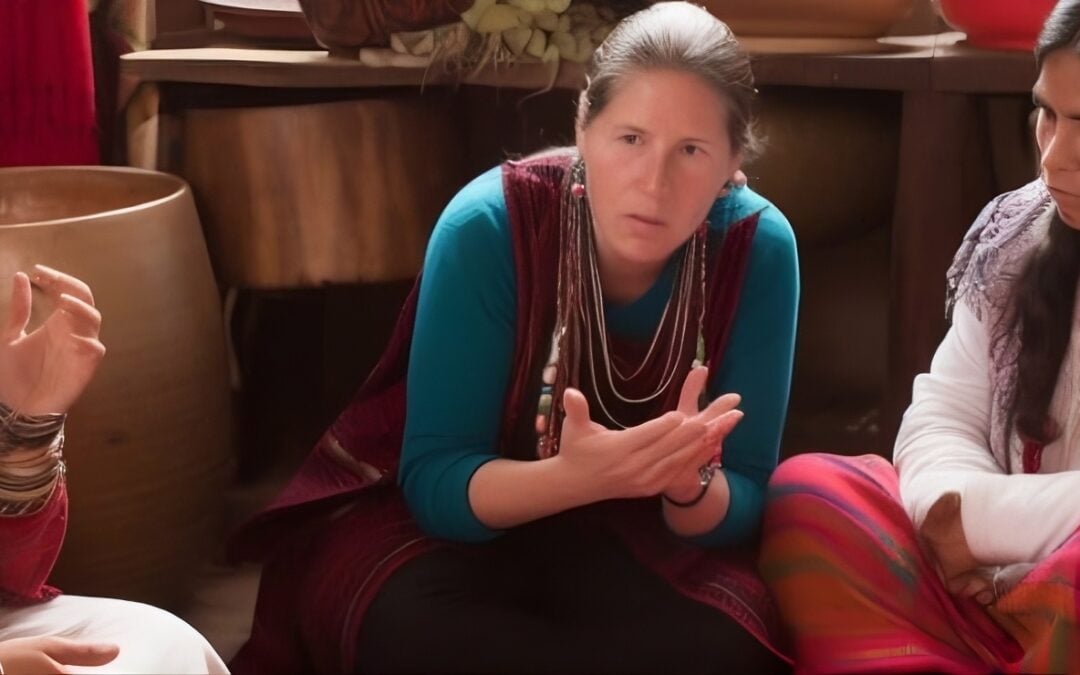
Choosing a volunteer project abroad can feel overwhelming with so many opportunities to consider. To help narrow things down, we are exploring three areas of interest: wildlife conservation, marine conservation, and community-based volunteering. Each one offers something special, and you may find yourself drawn to more than one.
The good news is that feeling undecided simply shows you care about your choice. There may even be several options that would be a good fit. Therefore, doing a deep dive into Kaya’s options and your own interests can help you choose a volunteer project abroad with confidence.
Start with What Fits You
Take a moment to think about what suits you best. Do you enjoy a steady routine, or do you like a bit of variety? Would you feel more at home in quiet nature or in lively human connection? Are you building toward a future career, or looking for a meaningful break? Write your answers down because they will help guide your decision later. This is a helpful first step in figuring out which program you would enjoy the most.
Wildlife Volunteering: For Animal Lovers
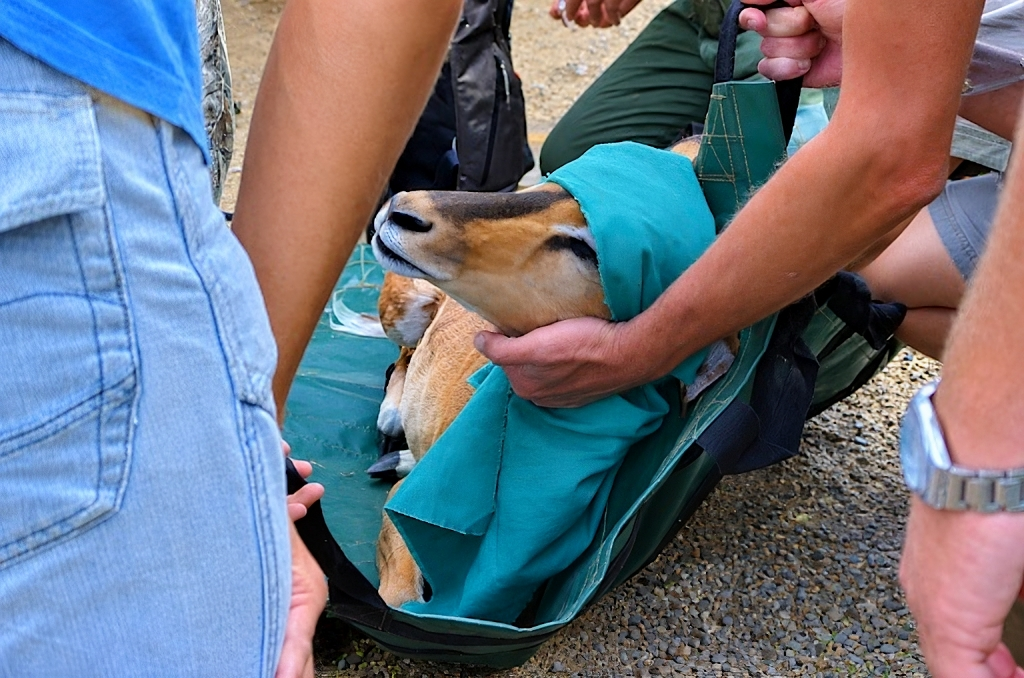
Wildlife volunteering is hands-on, rewarding, and often a little messy. Think rescue centers, sanctuaries, and release programs. Take Carly, a Kaya participant who studies animal and veterinary science. She spent a month at a sanctuary in the Amazon rainforest of Ecuador through the Wildlife Rescue & Release Volunteer Project in Ecuador. Her day started with a 7:30 a.m. team meeting. Then she trained a Chichico monkey, joined feeding rounds, cleaned enclosures, and built enrichment toys for parrots. She wrapped up around 5:00 p.m. and spent her evenings with new friends from Ireland, France, Norway, and the UK. She even got to bottle-feed a baby anteater.
This path may suit animal lovers, future vets, and anyone comfortable with early mornings and hard work. It is not cuddle time all day. Good projects focus on care, rescue, and release rather than tourist photos, so be cautious of any place that offers close contact with wild animals for selfies.
Marine Conservation Volunteering: For Ocean Lovers
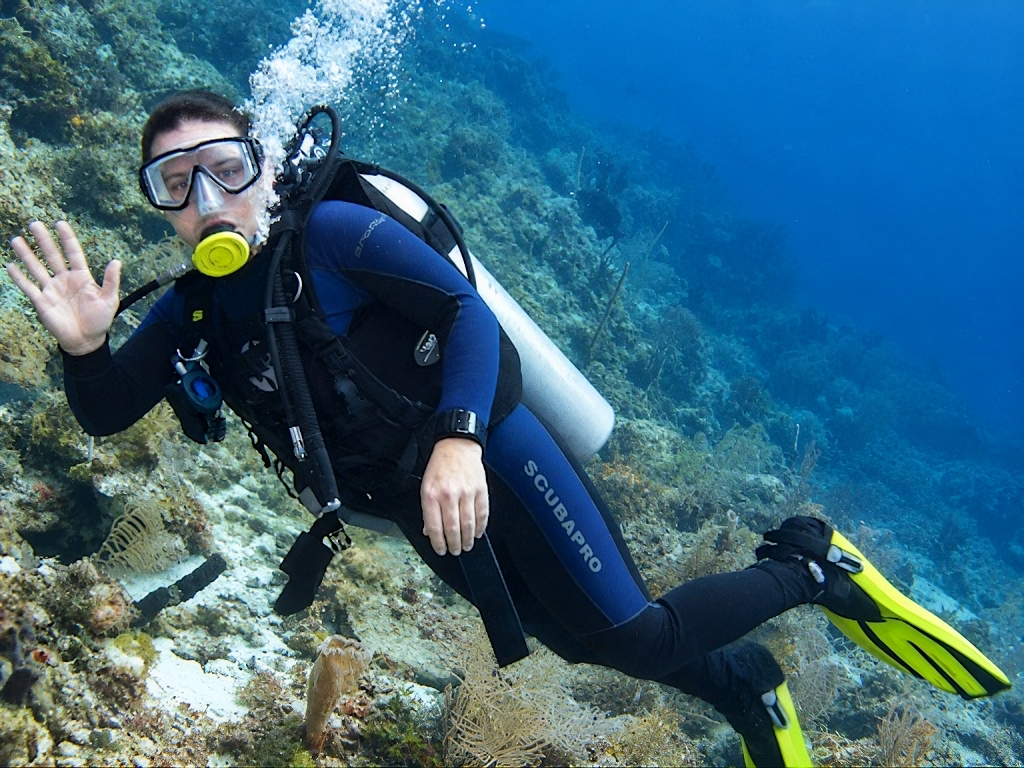
Marine conservation volunteering is a great fit for anyone drawn to the ocean. Kaya has projects in coastal destinations like Belize, the Cayman Islands, the Philippines, and Thailand. Marine work can include reef surveys, beach cleanups, and tracking sea life, though every project is different, so read the details first. You can browse Kaya’s conservation projects to see what is currently available.
This path suits swimmers, science enthusiasts, and anyone who enjoys learning outdoors. Expect salt in your hair, early boat rides, and plenty of sun. Some projects ask that you feel comfortable in the water, and a few may require dive training. If you are prone to seasickness, let your advisor know early.
Community Volunteering Abroad: For People Who Love Helping Others
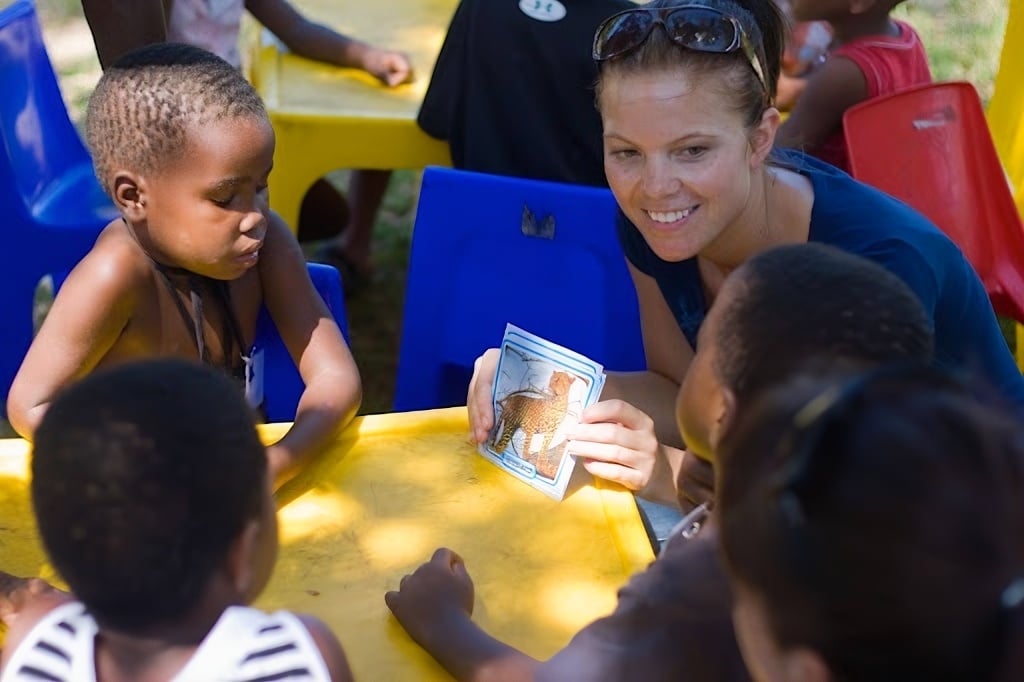
Community volunteering abroad is a meaningful option for anyone who enjoys working alongside others and supporting local needs. Kaya groups these projects under Community, Education, Healthcare, Arts, and Business, so there is plenty of room to find your area. You might coach children through the Sports Coaching Volunteering in Ghana program, assist in a classroom, or support a local health program.
The rewards here often build gradually, but they can run deep. You may find lasting friendships, new language skills, and the satisfaction of seeing a student grasp a new idea. Adjusting to a new culture takes time, and that is normal. Kaya offers a culture shock guide to help you prepare. Community work can suit strong listeners, future teachers, nurses, social workers, and so many more!
Noticing Your Interests
Still undecided? Your camera roll, social media likes, and saved content can be a clue into which placement may fit your interests best. Animal and nature content may point toward wildlife, ocean content toward marine, and moving videos of people helping and supporting one another may point towards community-based volunteering. Seeing yourself in more than one area is normal. It also helps to think about what you want to learn, as careers in veterinary science, marine biology, education, and social work all start somewhere.
Common Pitfalls to Avoid
Here are three things worth keeping in mind:
- First: try not to choose a project based only on how it looks online, since photos show the highlights but not always the early alarms and long days.
- Second: keep your expectations realistic, as meaningful change often happens gradually.
- Third: ask about safety and support, including housing, staff, and what help is available if you feel homesick. Reading participant stories and reviews can also give you an honest picture of what to expect.
Practical Things to Consider
A few practical details can also help you make a well-informed choice:
- Ethics: Look into how your contribution benefits the local community. Responsible travel is central to Kaya’s approach, so asking questions about how your role contributes to longer-term goals is always welcome.
- Time: Check how many weeks you can commit, as some placements suit a short summer while others offer more value over a longer stay.
- Budget: Find out what the program fee covers, such as accommodation, meals, and support.
- Skills: Many projects provide training, though some may ask for experience or a minimum age. Kaya offers programs for under 18s, over 50s, families, and career breakers.
Your Move
Choosing a project is not about finding the perfect one. It is about finding the one that feels right for you at this stage of your life. A little research goes a long way, so feel free to read the project details, check the requirements, and review participant stories before you commit. Also consider that the outcome of your placement could be everything you hoped for and more, or it may help you discover new perspectives, interests, or career avenues.
If you are still wondering how to choose a volunteer project abroad, a Kaya placement advisor can answer your questions and help you compare your options.
Recent comments